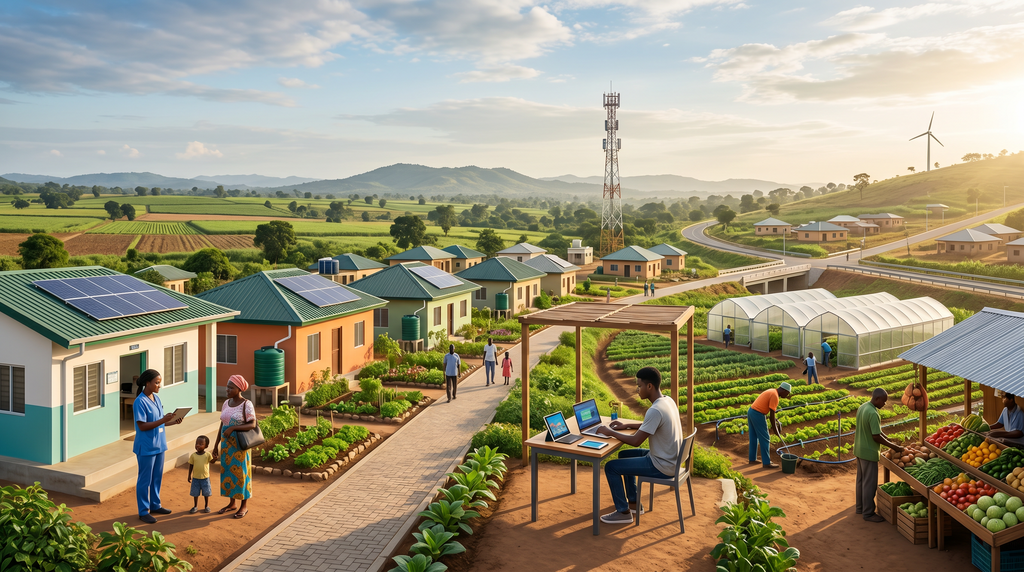
Our Mission: To enable marginalized communities in Nigeria to achieve sustainable improvements in housing, food security, basic infrastructure, digital access, and primary healthcare through locally rooted, technology-informed, and partnership-driven interventions.
Our Vision: A Nigeria where every person, regardless of location or income, has access to a safe home, sufficient nutritious food, functional community infrastructure, affordable green energy, digital tools for livelihood, and quality primary health support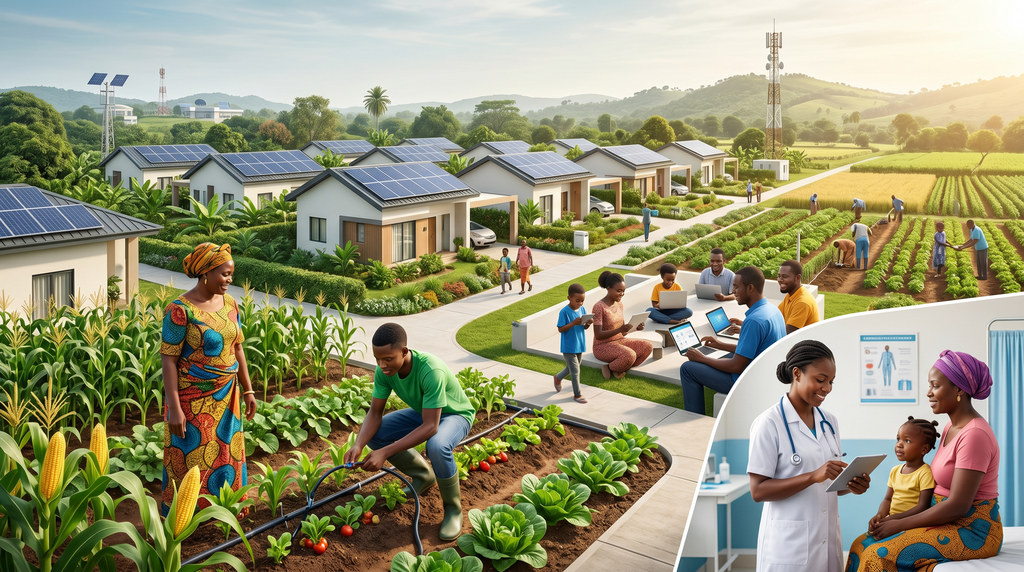
We emphasize sustainable practices that ensure long-term benefits for communities.
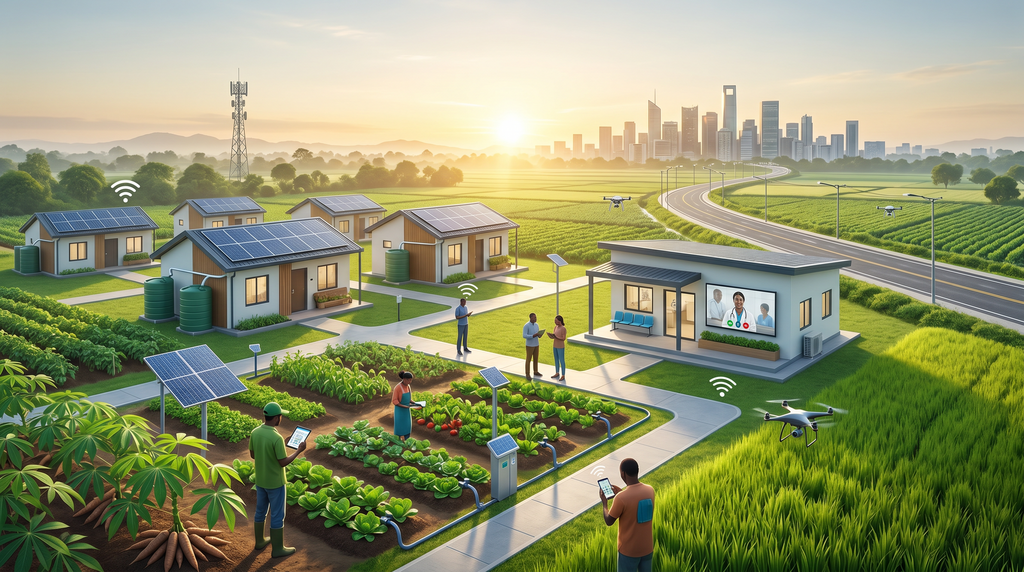
We believe in empowering communities to take charge of their own development.
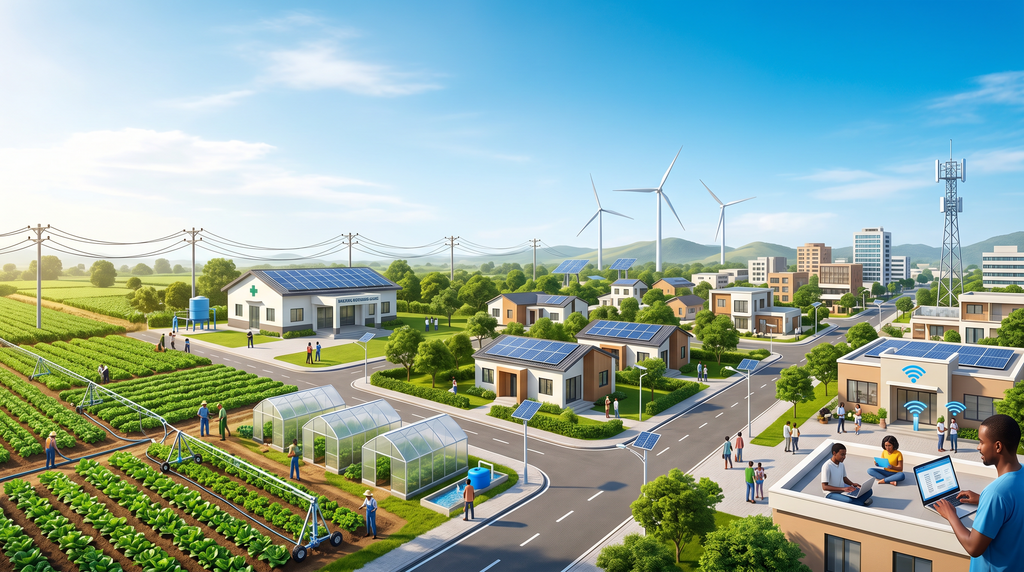
We continuously seek and implement innovative solutions to address pressing challenges.
The organization is guided by five core values: Integrity, which ensures honesty, transparency, and accountability; Community Ownership, which involves designing programs with communities; Sustainability, which focuses on long-term solutions; Inclusion, which actively engages women, youth, and persons with disabilities; and Learning
Housing and Shelter Development: Expanding access to safe, affordable, climate-resilient housing for low-income households through incremental upgrades, informal settlement improvements, land tenure advocacy, and demonstration units. Beneficiaries include urban slum dwellers, internally displaced persons, and rural households with inadequate shelters.
Food Systems and Agricultural Productivity: Improving food security and income for smallholder farmers through climate-smart agriculture, reducing post-harvest losses, ICT-based market linkages, and regenerative agroecology. Beneficiaries include smallholder farmers, cooperatives, and women-led agricultural groups.
Urban and Rural Development: Addressing infrastructure gaps through participatory planning, co-financing of small-scale projects, community development committees, and climate adaptation. Beneficiaries include rural communities, peri-urban settlements, and local government councils.
Green Technology and Environmental Sustainability (GreenTech): Implementing clean energy and circular economy solutions, such as solar-powered systems, clean cooking, e-waste management, and pilot projects. Beneficiaries include rural clinics, schools, off-grid households, and waste picker cooperatives.
Digital Inclusion and Health TechnolDigital Inclusion and Health Technology (ICT and HealthTech): Expanding digital literacy and primary health access through community digital hubs, mobile advisory platforms, telemedicine kiosks, electronic health records, and AI-assisted symptom checkers. Beneficiaries include out-of-school youth, smallholder farmers, rural health workers, pregnant women, and caregivers. The organization adheres to international safeguarding standards, including zero tolerance for child harm, mandatory background checks, a code of conduct for protection from sexual exploitation and abuse, confidential complaint channels, a community feedback mechanism, and strict data privacy compliance with the Nigeria Data Protection Regulation.

Founder & Executive Director - A passionate advocate for community welfare.

Program Manager - Expert in rural development and sustainability.

Technology Officer - Driving digital inclusion initiatives.