A results-based framework aligned with SDGs 1, 2, 3, 6, 7, 9, 11, and 13 tracks key indicators, including improved housing, reduced post-harvest losses, solar energy access, digital literacy rates, and telemedicine consultations. Annual progress reports are available on the website.24–2025) – Establishment: Completed. Legal registration, headquarters setup, internal policy development, and needs assessments in three Lagos peri-urban communities.
Phase Two (2026–2027) – Pilot Implementation: Deliverables include 50 housing units, training for 500 farmers, 10 solar-powered water systems, digital training for 2,000 youth, and 5 telemedicine kiosks.
Phase Three (2028 onward) – Scaling: Expansion to two additional state Phase Three (2028 onward) – Scaling: Expand to two additional states, diversify funding, and replicate successful pilots through government partnerships. Executive Director. Additional trustees will be announced following formal appointment and regulatory filing. All trustees serve voluntarily under a strict conflict-of-interest policy.
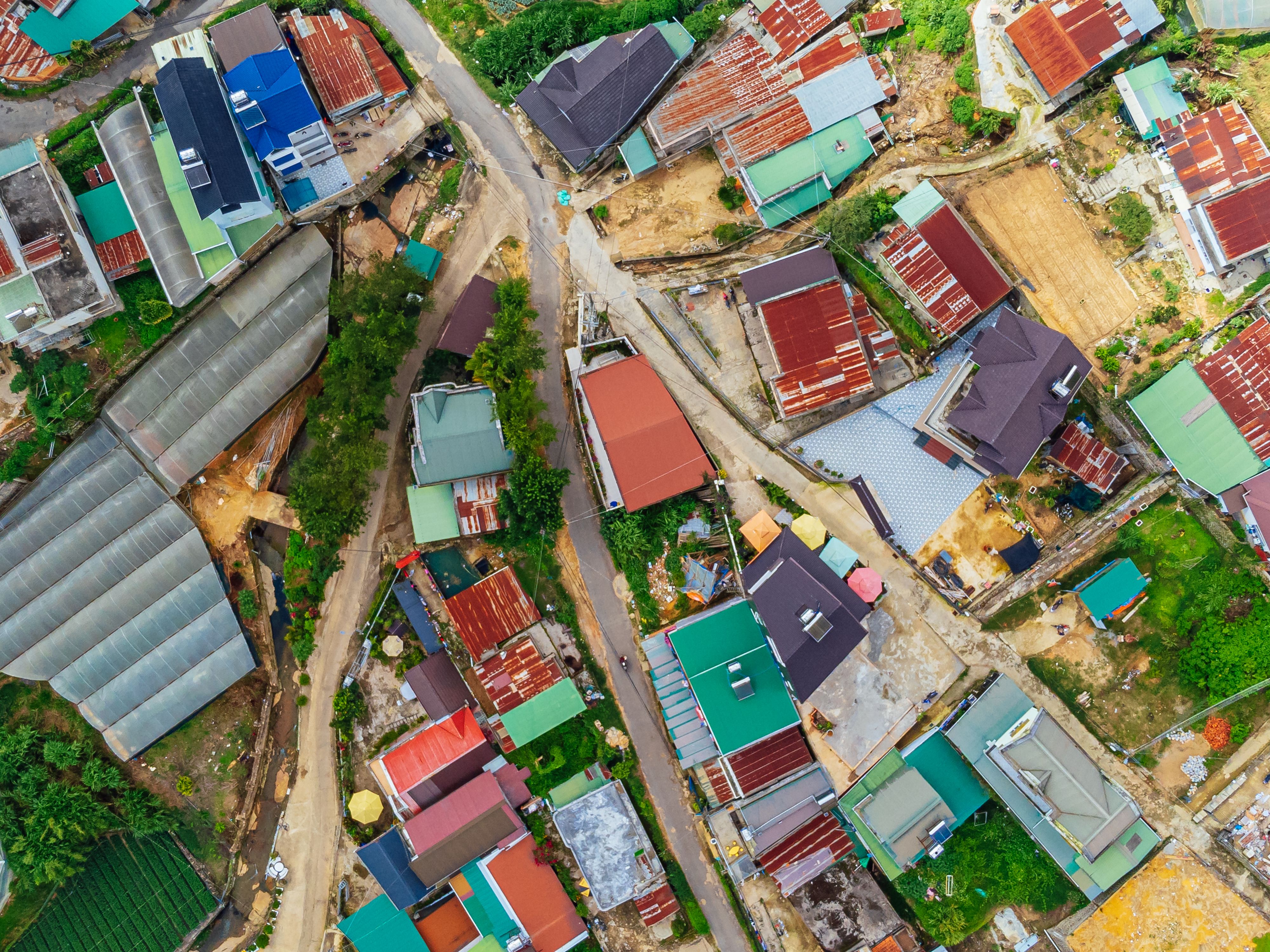
We provide sustainable housing solutions that empower communities and enhance living standards.
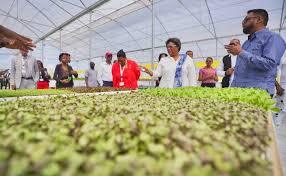
Innovative programs designed to enhance food availability and accessibility for vulnerable populations.
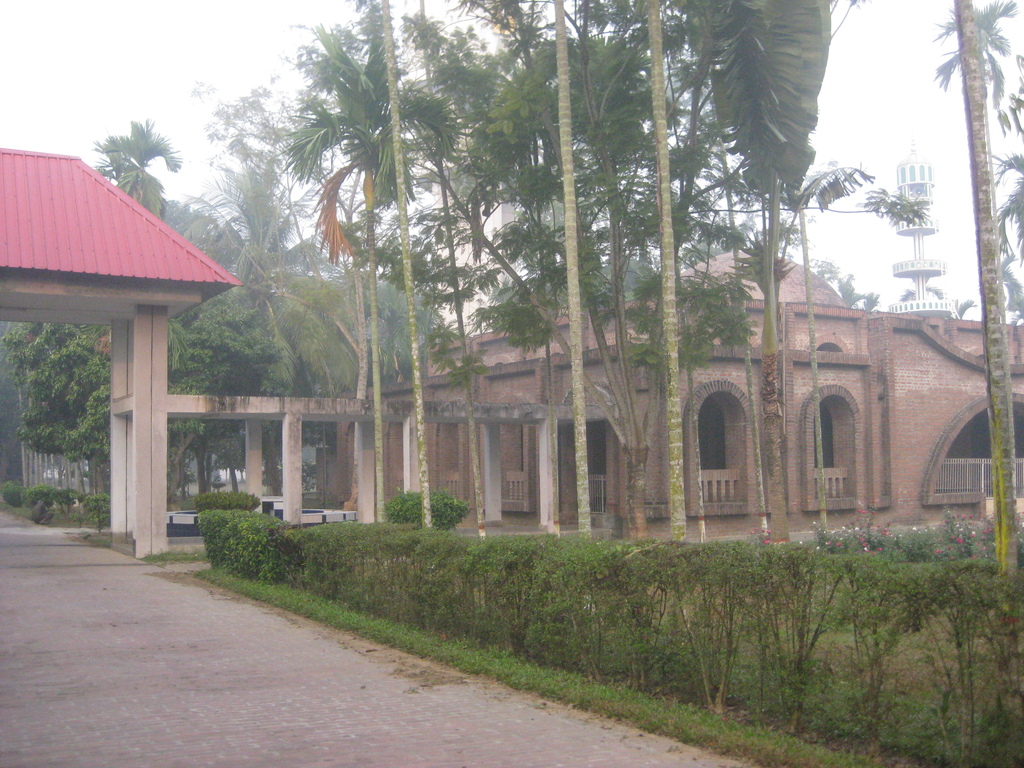
Transforming rural areas into self-sufficient urban spaces through integrated development.
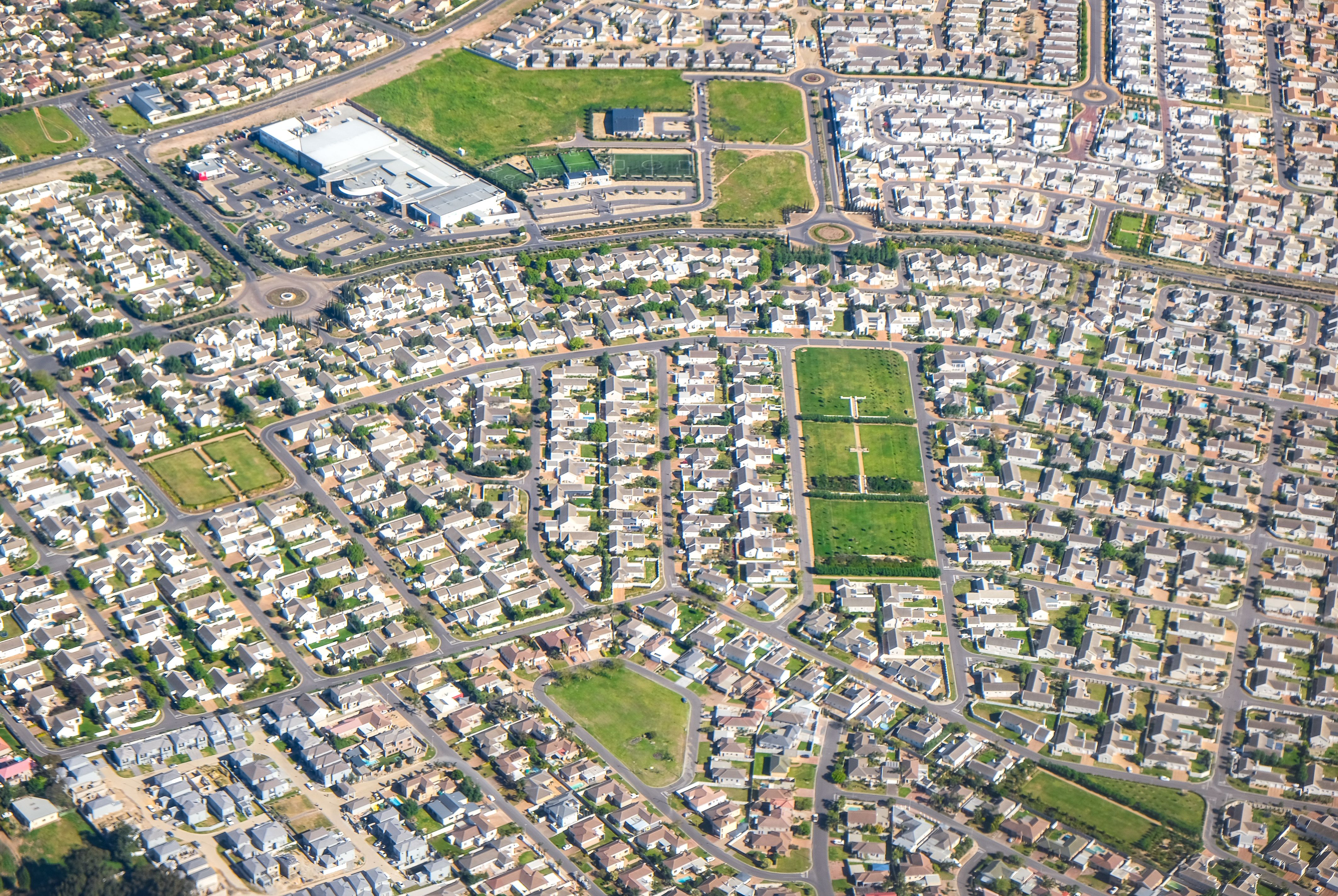
Implementing eco-friendly technologies to promote sustainability and environmental health.

Bridging the digital divide with technology access and training for all community members.
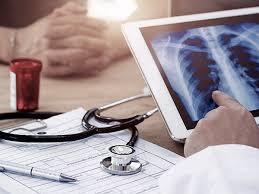
Utilizing technology to improve healthcare delivery and accessibility in underserved regions.
Funding sources include founder contributions, grants from local and international donors, private sector partnerships, and in-kind support. Annual financial statements are available to verified stakeholders upon request. Bank details for institutional donors are provided after a formal partnership inquiry.